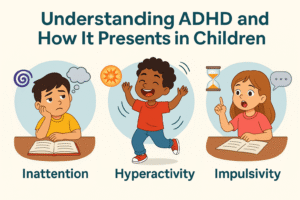
Every child deserves a learning environment where they feel safe, comfortable, and able to reach their full potential. For neurodivergent children, such as those with autism, ADHD, sensory processing disorder, or anxiety, the traditional classroom setting can often feel overwhelming. Bright lights, loud noises, and an unpredictable routine can create unnecessary stress, leading to difficulties with focus, engagement, and well-being.
A sensory-friendly classroom is designed to accommodate all learners by making adjustments to the physical environment, teaching approach, and daily routine. By making thoughtful changes, teachers and parents can create an inclusive space that supports both academic and emotional development.
Why Are Sensory-Friendly Classrooms Important?
A standard classroom can be overwhelming for children with sensory differences. The fluorescent lighting, constant background noise, and crowded spaces can lead to sensory overload, making it harder for students to concentrate, regulate their emotions, and participate in learning. By adapting the environment, schools can foster inclusivity and ensure that all children, regardless of their sensory needs, can thrive.
Key Elements of a Sensory-Friendly Classroom
Creating a sensory-friendly classroom doesn’t mean redesigning the entire school. Small, practical changes can have a significant impact. Here are some essential elements to consider:
1. Lighting Adjustments
- Why? Harsh fluorescent lighting can cause headaches, eye strain, and sensory overload.
- Solutions: Use natural light where possible, add soft lamps, or install filters over fluorescent bulbs to reduce brightness. Dimmable lights or fairy lights can also create a calming atmosphere.
2. Reducing Noise Levels
- Why? Loud, unpredictable noises can be distressing for children with sensory sensitivities.
- Solutions: Use soft furnishings like rugs, curtains, and bulletin boards to absorb sound. Noise-canceling headphones can be provided for students who need them. Creating a designated quiet space can also help children self-regulate.
3. Creating Calm and Safe Spaces
- Why? Children with sensory processing challenges may need a place to retreat when they feel overwhelmed.
- Solutions: Set up a ‘calm corner’ with soft cushions, weighted blankets, sensory toys, and low lighting. This space should be available for children to use when they need to self-regulate.
4. Flexible Seating Options
- Why? Traditional desks and chairs may not be comfortable or suitable for all children.
- Solutions: Offer a variety of seating options such as wobble stools, bean bags, floor cushions, standing desks, and therapy balls. Allowing children to choose their seating can improve focus and engagement.
5. Visual Supports and Predictability
- Why? Many children with additional needs benefit from visual cues to understand routines and expectations.
- Solutions: Use visual schedules, timetables, and clear labels on classroom materials. Having a predictable routine with minimal sudden changes can help children feel more secure.
6. Sensory-Friendly Learning Materials
- Why? Some students may find traditional learning materials overstimulating or difficult to engage with.
- Solutions: Provide fidget tools, textured writing materials, and multi-sensory learning experiences such as sand trays, tactile letters, and scented markers. Incorporate movement breaks to help with focus and energy regulation.
7. Encouraging Movement Breaks
- Why? Sitting still for long periods can be difficult for many children, especially those with ADHD or sensory processing needs.
- Solutions: Integrate short movement breaks, stretching exercises, or sensory activities such as wall pushes, jumping jacks, or yoga. Allowing children to stand or move while working can improve concentration.
8. Adapted Communication Strategies
- Why? Some students may struggle with verbal communication or expressing their needs effectively.
- Solutions: Use visual cue cards, communication boards, or AAC (Augmentative and Alternative Communication) devices. Providing clear, simple instructions and checking in regularly can also support understanding.
How Teachers and Parents Can Work Together
A sensory-friendly classroom is most effective when teachers and parents work as a team to support children’s needs. Here’s how collaboration can help:
- Communication is key: Parents can share insights about their child’s sensory triggers and coping strategies, helping teachers make effective adjustments.
- Personalised accommodations: Each child is different, so creating an individual sensory plan can help tailor support to their needs.
- Trial and flexibility: Implementing changes may require some trial and error. Teachers and parents should remain flexible and adjust strategies as needed.
- Encouraging self-advocacy: As children grow, they should be encouraged to understand their sensory needs and advocate for accommodations that help them thrive.
The Benefits of a Sensory-Friendly Classroom
When classrooms are adapted to be more sensory-friendly, the benefits extend beyond neurodivergent students. A calm, structured, and inclusive learning environment improves focus, emotional regulation, and overall well-being for all children. Teachers also benefit from fewer disruptions, improved classroom engagement, and a more positive learning atmosphere.
Final Thoughts
Creating a sensory-friendly classroom doesn’t have to be complicated or expensive—it just requires awareness, small adjustments, and a commitment to inclusion. Every child deserves an environment where they can learn comfortably, without unnecessary stress or sensory overload.
By making these changes, we can help ensure that all children, regardless of their sensory needs, feel valued, included, and supported in their education journey.